The Wonder of Being Human
On Pope Leo XIV’s AI Encyclical
On Pope Leo XIV’s AI Encyclical
As you read these words, somewhere in our diocese, a child is pouring her heart out to a machine. She is lonely, or sad, or maybe just curious, and a chatbot seems like her best confidant.
I don’t know about you, but my heart breaks when I think about that situation, even though we all know that, here in 2026, that’s how life is. We are surrounded by new things, and every parent and teacher and thoughtful person in our little corner of creation is wondering what to make of artificial intelligence (AI), these computer systems that produce humanlike words and natural-seeming images from statistical predictions. And it’s not just us: even Pope Leo has been pondering AI. You might have heard that he recently released an encyclical about it, titled Magnificent Humanity (Magnifica Humanitas in Latin). You know you’re living in the future when the pope writes an encyclical about robots!
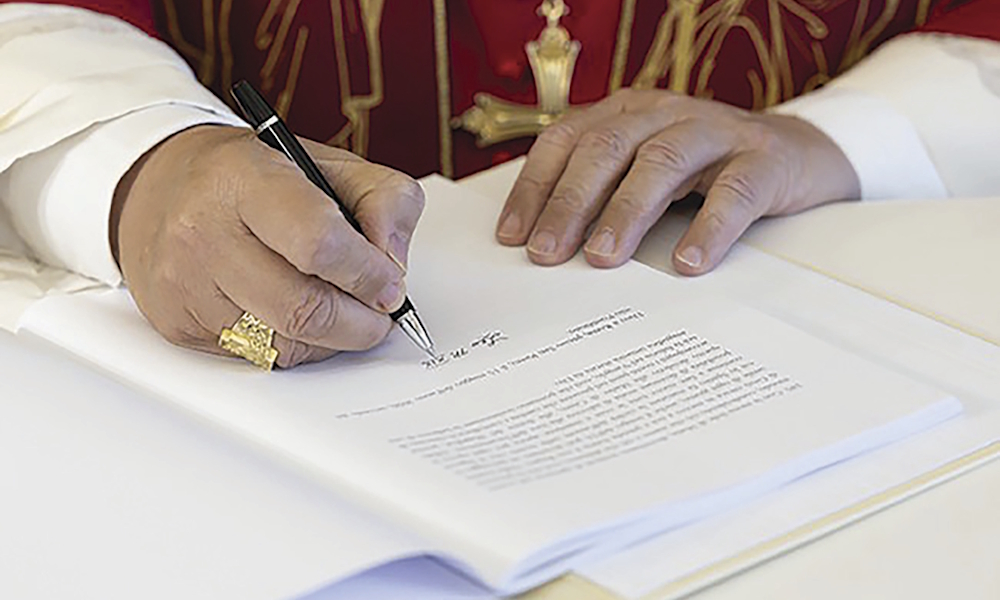
So why did the pope write an encyclical about a new technology? The story starts 135 years ago. On May 15, 1891, Pope Leo XIII signed a famous encyclical called Rerum Novarum (Of the New Things). This letter was a watershed statement that helped the Church navigate the social turmoil of the industrial revolution. Leo XIII was especially concerned with the plight of struggling families and workers, and to show the way ahead, he systematized what has become known as Catholic social doctrine, a weighty body of teaching for discerning complex societal problems. In 1891, the problems were unjust wages, lack of respect for the dignity of workers, and child labor. On May 15, 2026, Leo XIV signed a new social encyclical to help the human family chart a course through the human and social consequences of AI.
As you read these words, somewhere in our diocese, a child is pouring her heart out to a machine. She is lonely, or sad, or maybe just curious, and a chatbot seems like her best confidant.
I don’t know about you, but my heart breaks when I think about that situation, even though we all know that, here in 2026, that’s how life is. We are surrounded by new things, and every parent and teacher and thoughtful person in our little corner of creation is wondering what to make of artificial intelligence (AI), these computer systems that produce humanlike words and natural-seeming images from statistical predictions. And it’s not just us: even Pope Leo has been pondering AI. You might have heard that he recently released an encyclical about it, titled Magnificent Humanity (Magnifica Humanitas in Latin). You know you’re living in the future when the pope writes an encyclical about robots!
So why did the pope write an encyclical about a new technology? The story starts 135 years ago. On May 15, 1891, Pope Leo XIII signed a famous encyclical called Rerum Novarum (Of the New Things). This letter was a watershed statement that helped the Church navigate the social turmoil of the industrial revolution. Leo XIII was especially concerned with the plight of struggling families and workers, and to show the way ahead, he systematized what has become known as Catholic social doctrine, a weighty body of teaching for discerning complex societal problems. In 1891, the problems were unjust wages, lack of respect for the dignity of workers, and child labor. On May 15, 2026, Leo XIV signed a new social encyclical to help the human family chart a course through the human and social consequences of AI.
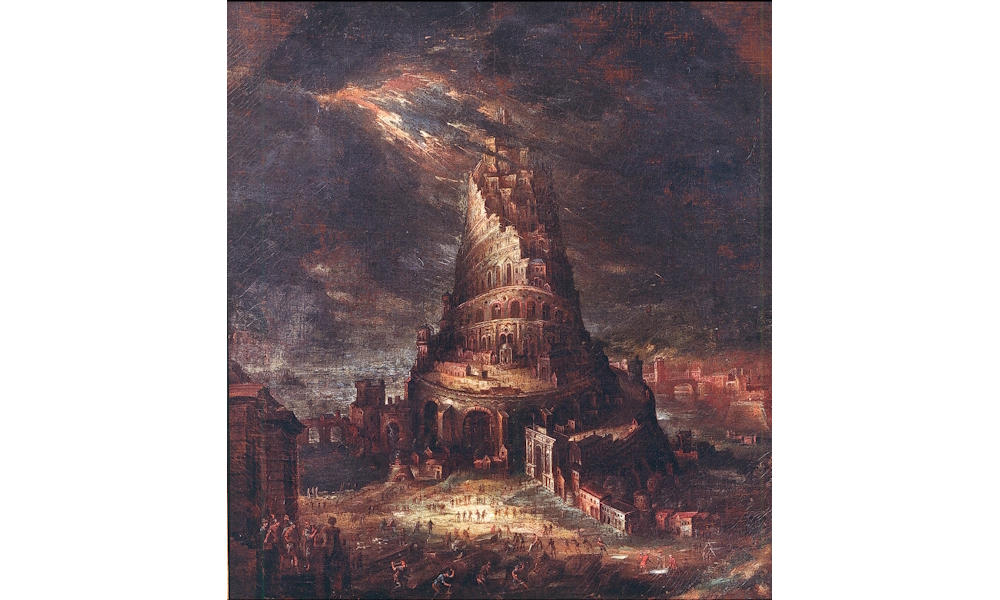
Magnificent Humanity starts out with a famous story from Scripture: the Tower of Babel. As Genesis tells it, the people of the earth were so worried about being scattered that they settled in one place. Instead of embracing God’s purpose for them to experience all of creation, they decided to build a tower so tall it would reach Heaven. And as Pope Leo tells the story, they became so obsessed with their giant tower that they not only spoke the same language, their speech collapsed into sameness. They just babbled the same proud words, over and over. In His mercy, God divided their languages and scattered them. The end of their city came when it was full of nothing but babble.
As Pope Leo explores in his letter, this story has a lot to teach us about our current AI challenges. By building this technology, with its new companies and big data centers and easy-to-use interfaces, humankind is setting out on a project that has tremendous potential to bring people together in new ways. But generating words from an online prompt can easily break the connection between words and truth: these systems produce responses based on statistics, not answers based on reason rooted in the image of God. An AI can give an impression of being friendly, but a machine cannot be your friend. They are built to keep you engaged and to make money for their owner. Which means that this technology makes it all too easy for us to let our need for truth, dialogue, and human relationships slip away. With AI, we may be building our own modern Tower of Babel, a tool that counterfeits and undermines some of the most important parts of what it is to be human.
But being human also means that we have free will. It’s possible for us to make another choice. The pope reminds us that Babel is not the only time in Scripture when people built a city. After Israel’s exile, many of God’s people returned to Jerusalem, whose walls had fallen into ruin after many long years of abandonment. Their governor, Nehemiah, called the families of the city together, listened to their struggles, and helped them come up with a common plan to rebuild. Each person took responsibility for their part, and when they restored their relationships with God and each other, they also rebuilt the city in peace.
In our own day, with the great possibilities and dangers of AI in front of us, we face a choice between building Babel or building Jerusalem. Pope Leo explains this choice in terms of Catholic social doctrine. Since the technology is still new and developing, he doesn’t treat AI like a gadget to be simply approved or banned. Instead, he challenges us to ask some hard questions and act on them. When considering a particular use for AI, does it serve human dignity, or does it just monetize someone in need? As we adopt these systems, do we do it in a way that promotes real and authentic relationships, or are we building substitutes for human connections? Does their use promote peace or conflict? And what is the effect on the common good and especially on the poor, the marginalized, the migrants, and the least among us? After all, many communities will bear the cost of resource-intensive data centers, but the profit is currently going to just a few companies. And we should especially guard against ideologies and decisions that prioritize technological marvels or economic progress over the infinite dignity of human persons. God has made people in His image, not companies or machines.
So let’s get practical. What about that 12-year-old pouring out her heart to a chatbot? Should her parents let her use it or not? Here is where Pope Leo’s question about promoting real relationships, instead of substituting for them, is helpful. A young person seeking emotional support needs a human ear and a shoulder to lean on. Her parents and mentors have a responsibility to respect her dignity by giving her attention and time, rather than a referral to a machine. Those who care for her should be worried that her use of a chatbot to simulate relationships might cause her desire for the real thing to wither away. Especially at early developmental stages, our focus needs to be on welcoming young people into the joys and challenges of the human world, not pointing them always to the digital one.
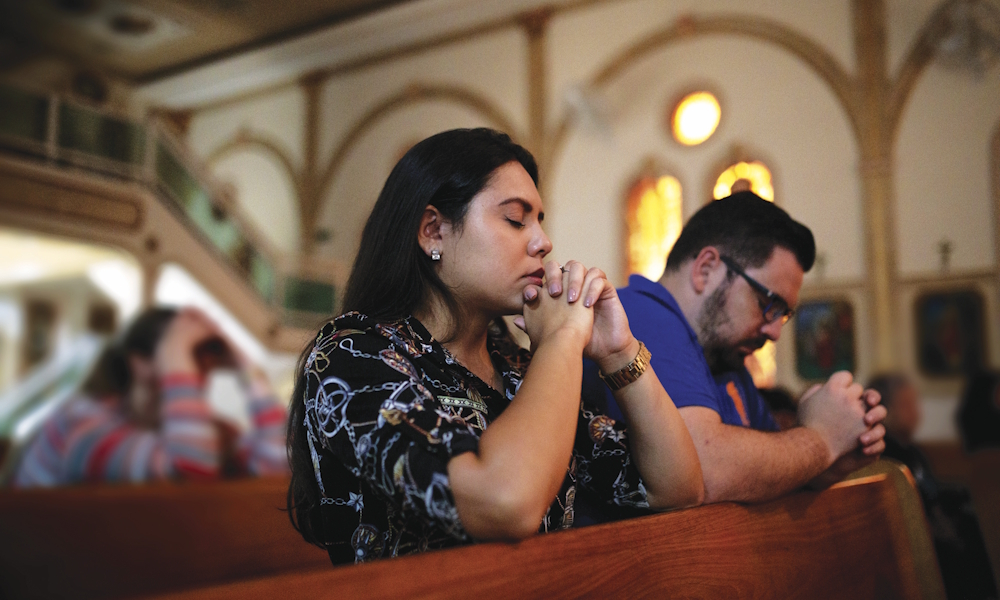
None of this is to say that all AI is bad. The tone of Pope Leo’s letter is hopeful, not panicky. But he reminds us that when it comes to these new things, it’s okay to slow down and take our time, especially with kids. It’s okay for us to carefully use these things on our terms and make them work for us, instead of feeling like we have to rush. In a time when every moment of our attention has been monetized, sitting down and having dinner as a family is a powerful act of reclaiming our dignity. Committing to in-person Sunday Mass is a radical resistance against the cultural currents that would tear apart our communities and relationships. We might feel like we are caught up in events beyond our control, but the choice to build Babel or Jerusalem is one that is within the reach of every family and community, if we approach these new things with discernment.
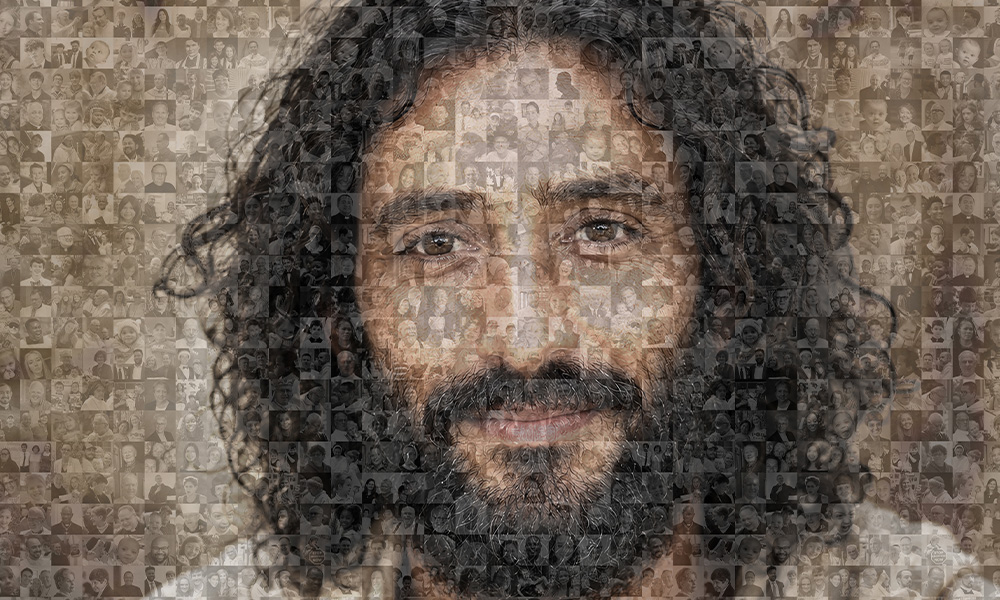
Pope Leo wisely closes his letter not with a policy but with a face, pointing us back to the human face of Christ, the Son of God. In contemplating Him, we see both our infinite dignity and our freedom to decide what relationships and choices will define us. The Blessed Virgin Mary’s joyful “yes” brought a new song of hope into our fallen world’s poverty. As Catholics, we join her in that hope, cooperating with Divine grace and trusting that God will teach the whole human family once again the wonder of being human.
Practical ideas for building Jerusalem
- Agree as a family on when screens should go away: family dinner, quality time, during prayer.
- Commit to weekly, in-person Sunday Mass.
- Proactively talk with family members about problems, to create an environment of mutual support.
- No AI use on homework (unless assigned), to develop curiosity and critical thinking.
- Give others the personal presence that a screen can’t: visit the homebound, or volunteer to assist the poor and needy.
- Throw a party and invite lots of people.
Father Bradley A. Jantz, S.T.D., is a priest of the Diocese of Birmingham. A Shelby County native, he graduated from the U.S. Air Force Academy and served as an Air Force officer before answering a call to the priesthood. Ordained in 2017, he holds a doctorate in Biblical Theology from the Pontifical Gregorian University. Father Jantz is pastor of St. Thomas the Apostle Parish in Montevallo and serves as Dean of the Central Birmingham Deanery, Vicar for Religious Education and Catholic Formation, and Vicar for Ecumenical and Interreligious Dialogue.