Poor Clares of Perpetual Adoration
Cultivating the Franciscan spirit in the diocese and beyond
Cultivating the Franciscan spirit in the diocese and beyond
Of all the orders with Franciscan roots serving the Diocese of Birmingham, the Poor Clares of Perpetual Adoration have been in existence the longest. Officially founded in 1854 by Mother Marie de St. Claire Bouillevaux and Father Bonaventure Heurlat, a Capuchin friar, who were both drawn to Franciscan spirituality, the order was borne from a desire to “make reparation for the ingratitude which so pained Our Lord’s Sacred Heart.”
Of all the orders with Franciscan roots serving the Diocese of Birmingham, the Poor Clares of Perpetual Adoration have been in existence the longest. Officially founded in 1854 by Mother Marie de St. Claire Bouillevaux and Father Bonaventure Heurlat, a Capuchin friar, who were both drawn to Franciscan spirituality, the order was borne from a desire to “make reparation for the ingratitude which so pained Our Lord’s Sacred Heart.”
The Poor Clares of Perpetual Adoration first opened a house in Paris. It was modest, but the order steadily grew, spreading to Poland, Germany, and Austria by the end of World War I. In 1921, two nuns from the order’s Vienna monastery found themselves in Cleveland, Ohio, establishing the first American monastery at the Conversion of St. Paul Shrine. It was the first cloistered community in America to receive the privilege of solemn vows.
In 1945, a businessman from Canton, Ohio, approached Bishop James McFadden, then Bishop of Youngstown. The man, John O’Dea, and his wife Ida wished to gift the diocese their mansion and the surrounding 15 acres of land for the sole purpose of establishing “a religious house of Eucharistic adoration.” The bishop reached out to Mother Mary Agnes in Cleveland, and she sent six sisters an hour’s drive south to establish the new foundation, which would be called Sancta Clara Monastery. Of the original six was a young novice by the name of Sister Mary Angelica.
While serving Sancta Clara Monastery, Sister Mary Angelica suffered an accident that proved debilitating. Fearing she would never walk again, she underwent surgery, but only after praying, “If You let me walk again, I’ll build You a monastery in the South.”
The Lord was listening, and after the successful surgery, Archbishop Thomas J. Toolen invited the order to Alabama. Her superior granted her permission, and Sister Mary Angelica, along with four other sisters, left Ohio for Alabama. In 1962, they settled in Irondale and began Our Lady of the Angels Monastery.
As foundress, Mother Angelica took the mission of evangelization to heart, writing pamphlets on the faith, which she called “mini books.” Wanting to spread the Word of God as far as possible, she decided she needed to avoid the high cost of printing. With only $200 as a deposit, she ordered $10,000 worth of equipment, trusting in Providence. As to be expected, the bills were paid in time, allowing the sisters to print hundreds of thousands of “mini books.”
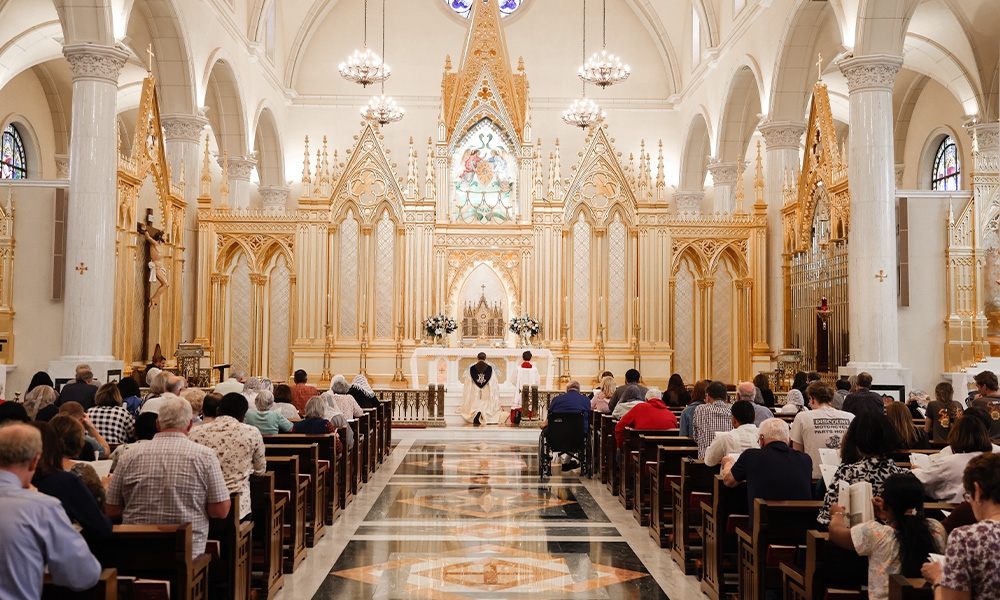
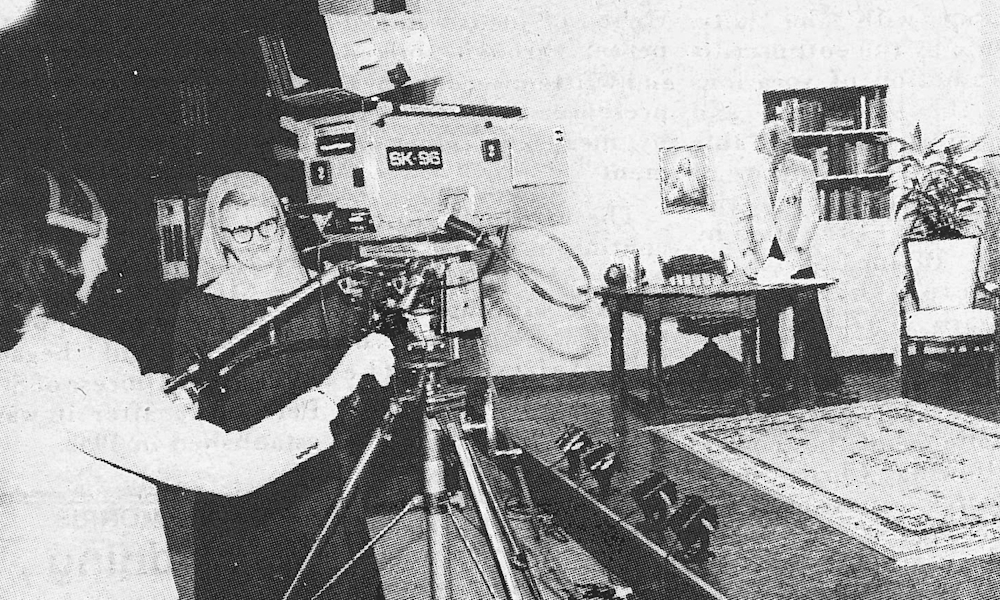
After a television studio interview, she is said to have remarked, “Lord, I’ve got to have one of these.” Her determination was not to be denied. From the monastery’s garage, EWTN began broadcasting on Aug. 15, 1981. Eventually, the campus developed and media offerings widened. Over a decade after the network launch, the need for the sisters to focus on their contemplative life led to the purchase of property in Hanceville and the building of the Shrine of the Most Blessed Sacrament and the new Our Lady of the Angels Monastery. Bishop David E. Foley consecrated the main church of the shrine on Dec. 19, 1999. Pilgrims from around the world travel to the small Alabama town, drawn by the Eucharistic Lord.
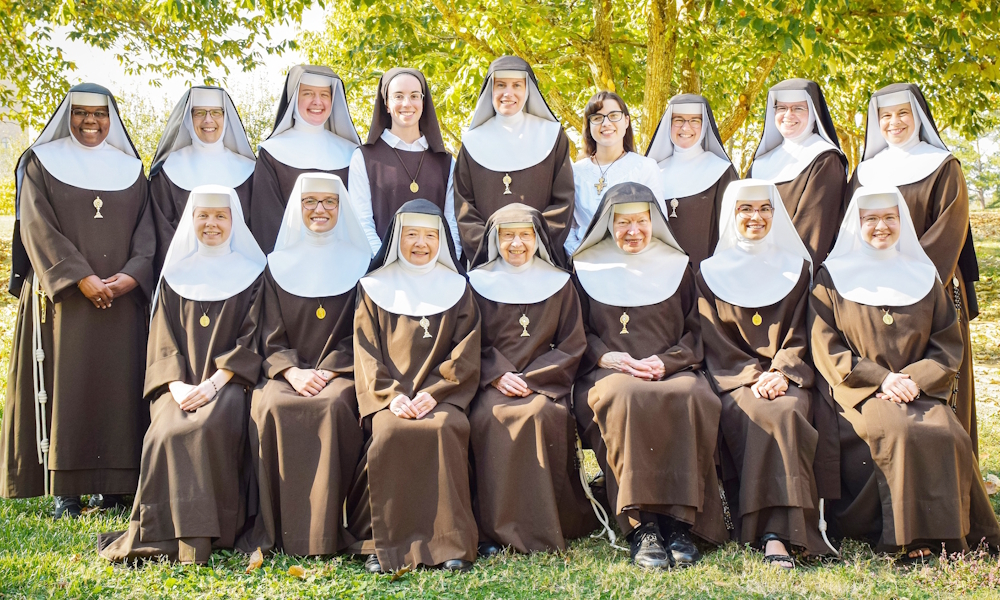
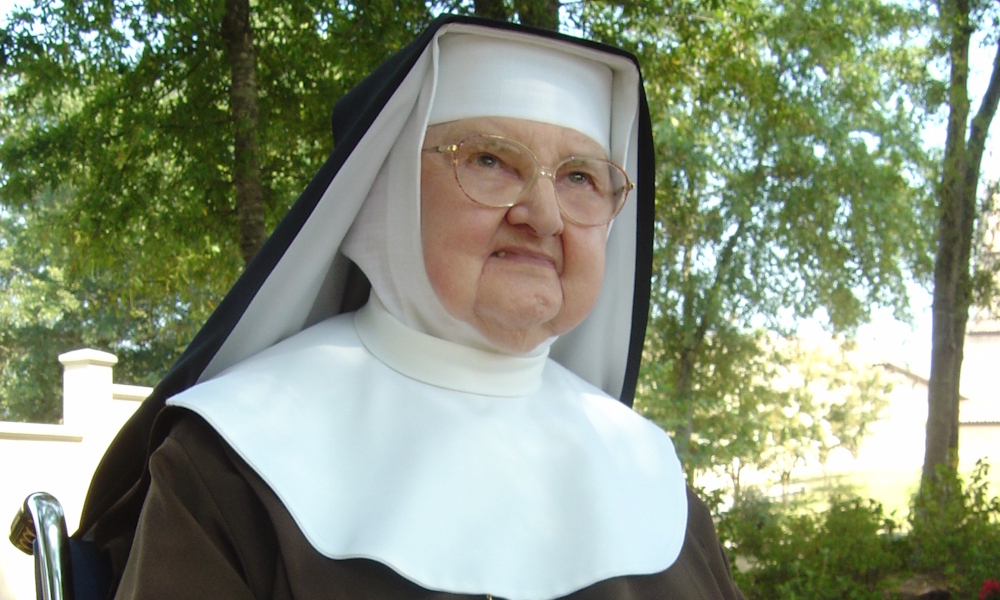
Even after the 2016 death of Mother Angelica, the cloistered Poor Clares of Perpetual Adoration faithfully live out their vocation to be “a witness to all of the primacy of God, the power of prayer, and the beauty and joy which flow from a life given totally to Him.” Through perpetual adoration of Our Lord in the Most Blessed Sacrament, the nuns “pour out” their lives “at His feet in loving return for all the good things He has done,” interceding for “the needs of the Church and the whole world, offering gratitude and praise on behalf of every soul.”
The shrine is an extension of the nuns’ mission, existing “to honor Christ’s Real Presence and to be a place where all people can encounter His redeeming Love” and offering Confessions and Mass twice a day. Laity and religious are also invited to join the shrine’s Adoration Sodality with the goal of “giving Him unremitting thanksgiving in the Most Blessed Sacrament all throughout the world.” The grounds of the shrine also house a Priest Retreat House, which the sisters prayerfully support, offering priests, deacons, seminarians, and religious brothers “a place of their own to step away from the burdens of ministry and be refreshed in the Lord’s Presence.”
“As Poor Clares of Perpetual Adoration,” the order contends, “we are called to pour out our life in thankful adoration for Jesus in the Most Blessed Sacrament on behalf of Holy Church, and with our sisters in community, we eagerly follow the Gospel way that our Father St. Francis and our Mother St. Clare showed us. This Gospel life allows us to receive the gift of His redemption and generously serve souls through our prayer and sacrifices within the hiddenness of the cloister.”

For information
on making a pilgrimage to the shrine during the Franciscan Jubilee Year, please visit olamshrine.com/jubilee.